Systems Representing Themselves
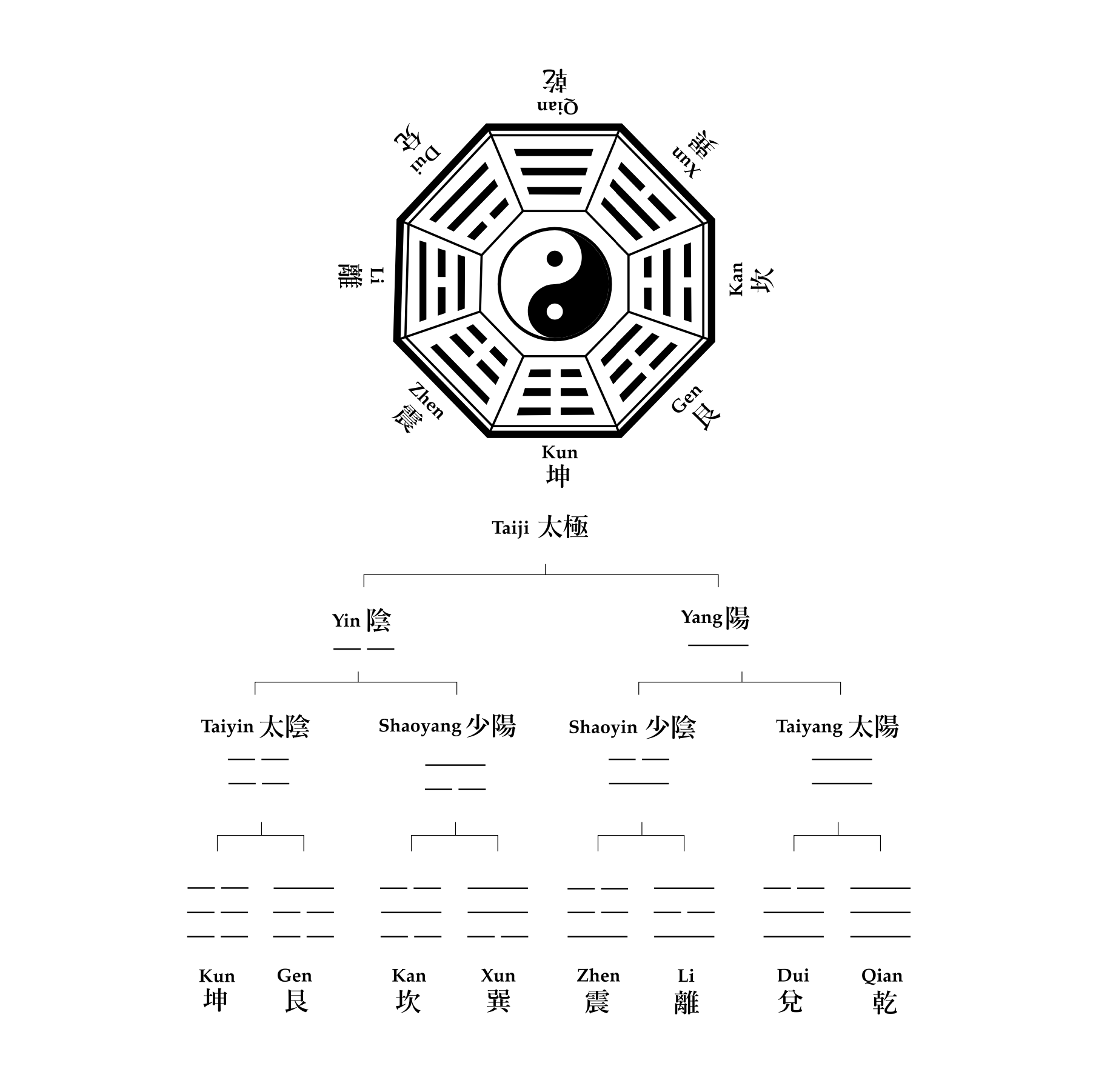
Systems representing themselves is a research that proposes a redefinition of contemporary computational systems by exploring traditional Chinese and pan-Amazonian indigenous cosmologies. It departs from their shared understanding of the cosmos as a systematic mesh of actionable, living, and recursive information; disputing the premise of a passive, mono-nature and "natural resources" view of the world. It delves for divergent definitions of technology rooted in non-western thought traditions, and explores ways in which these principles can be understood under the framing of contemporary cybernetics. It explores a historic debate between philosophers Shao Yong and Leibniz regarding the binary nature of the cosmos, the way in which the principle of Dao 道 (the way) is brought to completion as sensible existence by means of technical devices, the understanding of technology as performative in the act of healing of the Itana tribe, and the informatic understanding of forest as network and house as data server for the Tatuyo tribe. In bridging the gap between these two geographically antipodal territories, it highlights the multiple common grounds they share in terms of their understanding of fractality, telematics, and relational identity.